Red hair color has a calendar problem built into its chemistry. The red dye molecule is the largest of the common color molecules, too big to settle as deeply into the hair shaft as brown or black pigments do. It sits nearer the surface, which is why red looks so rich in the first week and why it is the first shade to leave. In Lowell, the seasons decide which fade route hits hardest, because summer sun and pool water attack red differently than winter hats, dry indoor heat, and holiday heat styling do.
The smart way to keep red is seasonal. Each part of the year has one dominant threat, and if you handle that threat, the color holds weeks longer without any heroic effort.
Spring and summer: sun and water do the damage
Ultraviolet light breaks down dye molecules directly, and red, sitting near the surface, takes the hit first. Long days outside are the single biggest summer fade factor, ahead of washing. Add pool season: chlorinated water soaks into dry hair, strips surface color, and can shift reds toward dull orange. The summer defenses are a hat during long stretches outdoors, wetting hair with clean water before swimming so it absorbs less pool water, and a rinse as soon as you get out. Pollen season coats everything in the Piedmont, hair included, so expect one extra gentle wash in the worst weeks and make it a cool one.
The seasonal red checklist
- Spring: Pass if you have shifted to lukewarm washes and a color-safe shampoo before the outdoor months. Fail if hot showers and a strong clarifying shampoo are still the daily routine, since they pre-fade red before summer even starts.
- Early summer: Pass if a hat lives by the door and pool days start with a clean-water soak. Fail if dry hair goes straight into chlorinated water and bakes in the sun afterward.
- Mid-summer: Pass if you have a gloss or color-depositing refresh planned around the halfway point of your color cycle. Fail if the plan is to stretch the full interval through peak UV with no top-up, because red rarely survives that looking even.
- Fall: Pass if swimming is done and the routine returns to gentle washing with richer conditioning. Fail if faded, porous summer ends go straight into daily heat styling without a trim or treatment first.
- Winter: Pass if hot tools run with protectant at matched temperatures and washes stay spaced out. Fail if indoor dry heat, friction from collars and hats, and holiday styling stack up on brittle ends with no conditioning plan.
- All year: Pass if washes are two to three a week at most and the water runs lukewarm. Fail on daily hot shampooing in any season; it is the one leak that never closes on its own.
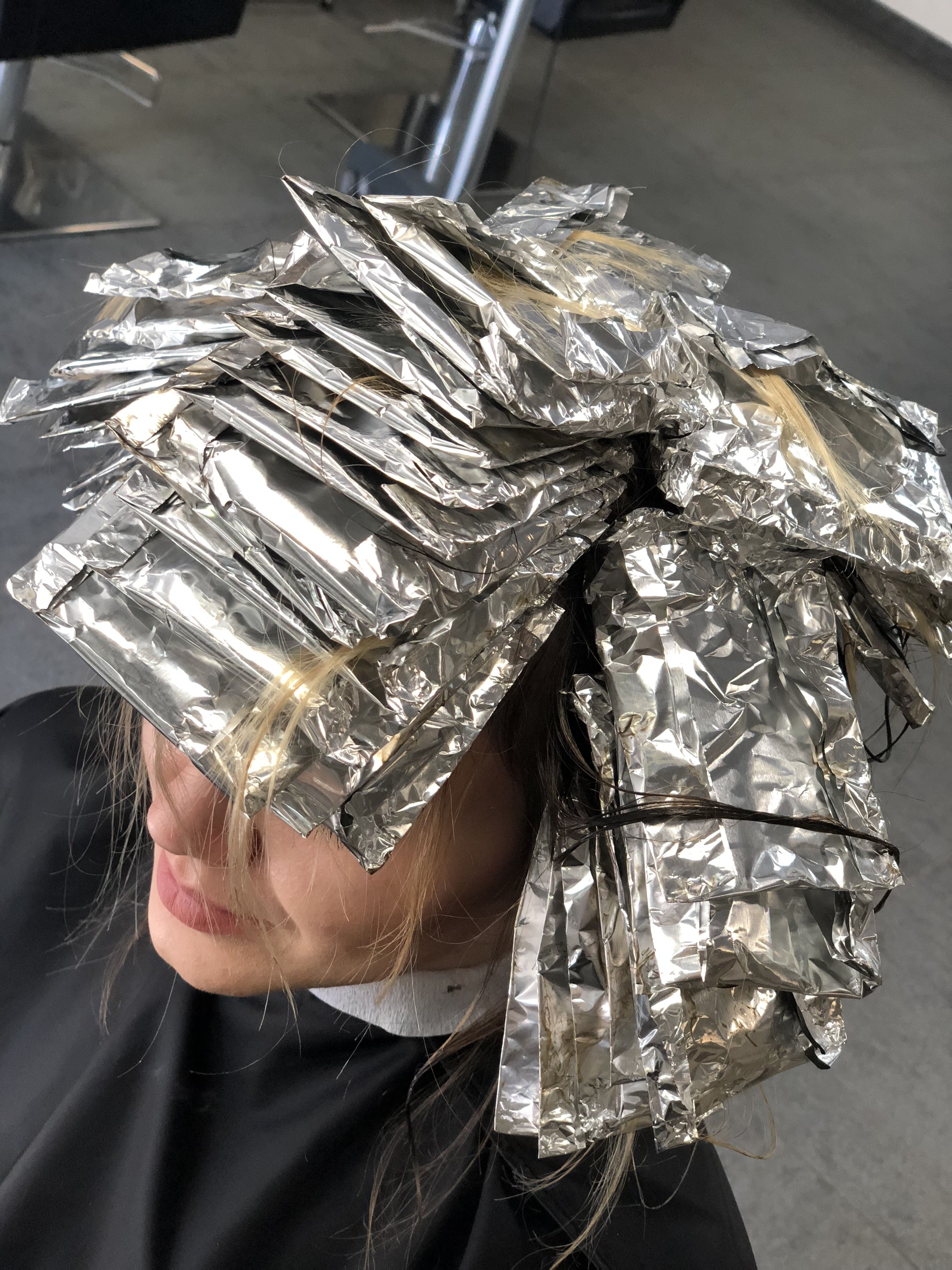
Fall and winter: heat and dryness take over
Once the pool closes, the threats move indoors. Heat styling peaks in the holiday months, and every high-temperature pass on unprotected red spends color along with moisture. Dry heated air leaves red hair brittle, and brittle, porous ends dump dye faster than healthy ones, so winter fade often concentrates at the bottom while summer fade concentrates at the front and top. Richer conditioning through the cold months is not pampering; it is what keeps the cuticle smooth enough to hold the color you paid for.
Planning the year with a stylist
People who wear red for years tend to plan it in seasons: a full color appointment, a gloss refresh timed for the hardest stretch, and honest conversations about whether a copper that fades softer serves better than a vivid red that shows every lost molecule. At The Ivy Salon, that planning takes five minutes and saves the mid-August disappointment that catches new redheads off guard. Red is worth the planning. It just refuses to be improvised.
Common questions
Which season fades red the fastest?
Summer, for most people. Ultraviolet light plus pool water plus more frequent washing stack three fade routes at once. A hat and a mid-summer gloss refresh answer most of it.
Why do my ends fade faster than the rest in winter?
Ends are the oldest, most porous part of the hair, and winter dryness and heat styling hit them hardest. Porous hair holds surface color poorly, so the bottom of the hair lets go first.
Should I time a new red color for a particular season?
Starting red in the fall gives you the gentlest first cycle, since the heavy UV and pool months are behind you. Starting in spring is fine too, with the summer defenses in place from day one.
Photos in this guide are representative stock images.
← All guides from The Ivy Salon← Back to The Ivy Salon