If you have never given your wash routine much thought, you are not behind; you are normal. Most people in Lowell inherited a schedule from habit or from a bottle label and never rebuilt it around their own hair. This walkthrough is for first-timers at thinking it through: what a wash actually needs to accomplish, how to do the steps in the right order, and how to read the results over the following days so the schedule you land on is yours, not a rule from the internet.
The short version is that scalp type sets the schedule, texture sets the technique, and your calendar of work, exercise, and weather gets a vote. Here is the long version, in the order you would actually do it.
The first-timer's wash, step by step
- Start by naming your scalp, not your hair. Two days after a wash, press a fingertip to your scalp at the crown. Clearly oily means an active scalp that will want frequent washing. Comfortable and dry means your lengths, not your scalp, should set the pace. Everything downstream follows this one observation.
- Brush or detangle before the water. Loose hair and tangles come out far more gently on dry hair, and you will lose fewer strands to the drain. Curly hair is the exception: detangle it wet, later, with conditioner in.
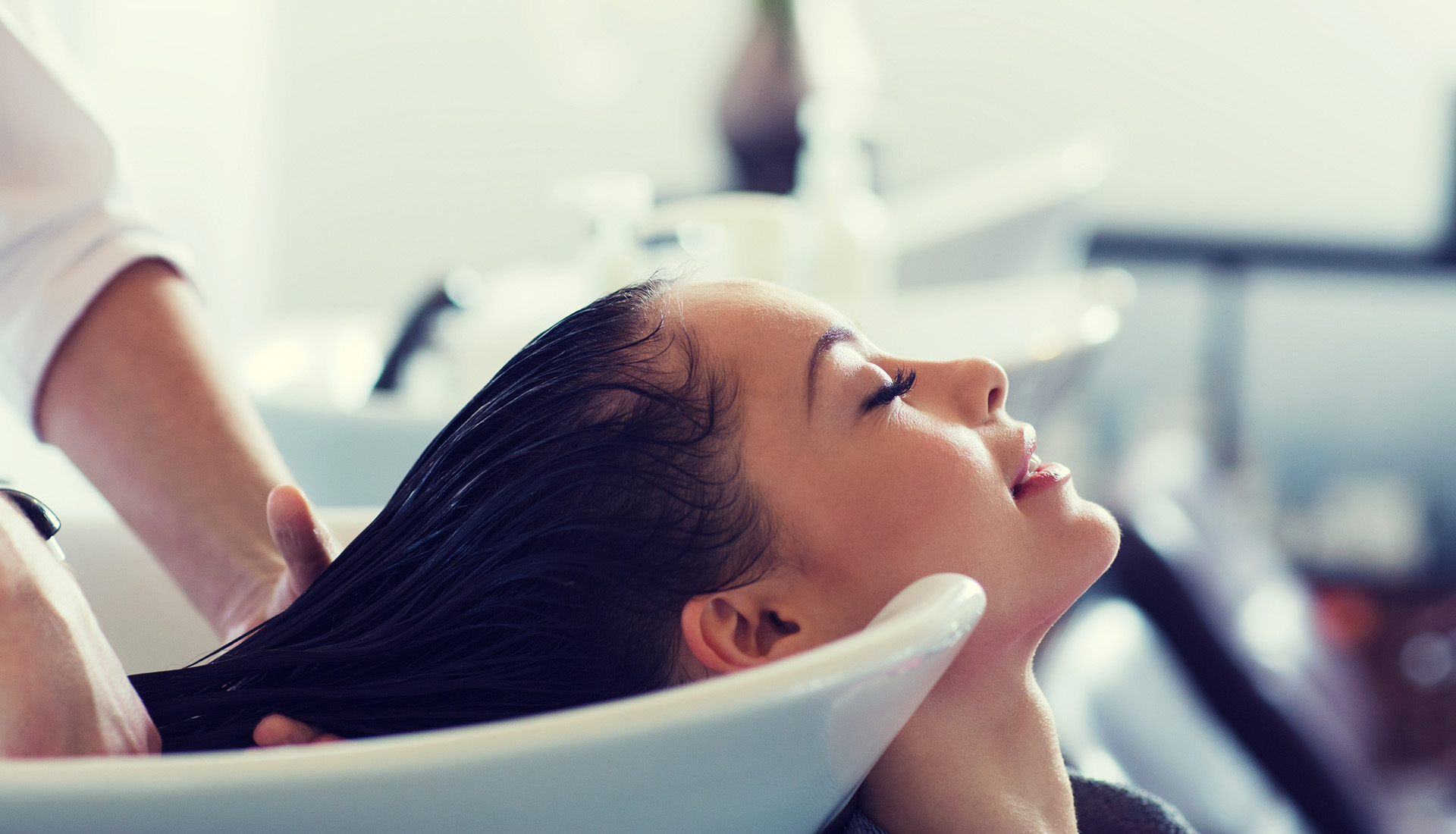
- Soak the hair completely before shampoo. Hair that is only partly wet cleans unevenly, and shampoo spread over dry patches just sits there. Give it a full minute under the water, more for thick hair.
- Shampoo the scalp, in sections, with fingertips. Work the whole scalp, not just the top, and let the suds rinse through the lengths on their own. The scalp is where the oil, sweat, and product actually live; the ends mostly need the runoff.
- Decide on the second shampoo by the lather. If the first pass barely lathered, your hair carried enough oil and product to use the shampoo up. Go again; the second pass should foam properly and leave the scalp feeling clean rather than coated.
- Condition from the ears down, and give it time. Roots do not need conditioner and fine hair is dragged flat by it. Work it through the lengths, detangle gently now if your hair is curly, wait a few minutes, and rinse with water that runs comfortably cool at the end.
- Read the next three days like data. Greasy by day two on the scalp side means shorten the interval or double-cleanse. Dry, frizzy lengths while the scalp stays happy means shift effort, not frequency: shampoo the scalp only, condition more, and consider washing less often.
Setting your first schedule
With the steps in place, pick a starting interval by type. Fine or straight hair with an oily scalp: every day to every other day. Wavy, medium hair: two or three times a week. Thick, curly, or coily hair: about once a week, with water-and-conditioner refreshes between washes if the curls need reviving. Then adjust by evidence, one change at a time. Exercise in Carolina summer heat, swimming, and jobs that leave you dusty all justify extra washes, and none of them require an apology or a strategy.
When to ask a professional instead
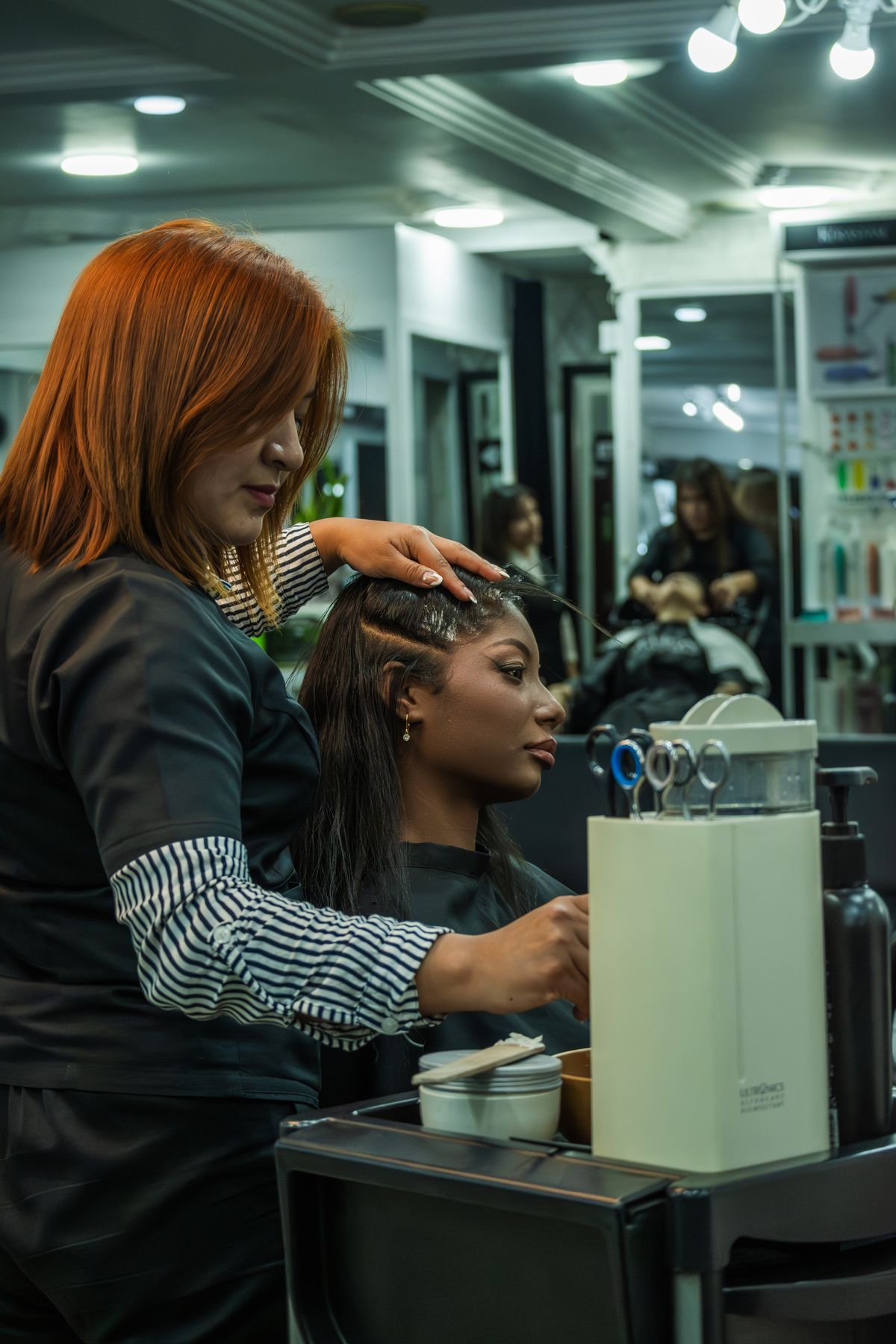
A home routine settles most wash questions within a few weeks. Bring it to a salon, or a doctor, when the scalp complains persistently: itching that survives a clarifying wash, flaking with redness, sores, or a sudden change in oiliness or shedding. Stylists at The Ivy Salon can also tell you in one look whether your hair reads over-washed or under-washed, which is genuinely hard to judge on your own head, and can reset heavy buildup with a clarifying treatment so your new routine starts from clean.
Common questions
Is it healthier to wash hair less often?
Not automatically. Hair and scalp do best clean at the rate they actually get dirty, which varies widely. An oily scalp left unwashed gets itchy and flaky; dry curly hair washed daily gets brittle. Match the rate to the head.
Should I shampoo twice every wash?
Only when the first pass tells you to. If you wash frequently and use little product, one thorough shampoo is plenty. Infrequent washers and heavy product users usually need the second pass to finish the job.
Does the water in Lowell matter for washing?
Any household can have hard water or, on a well, mineral-heavy water, and both leave hair feeling coated and dull. If your hair never feels clean despite good technique, a clarifying or chelating wash is the test.
Photos in this guide are representative stock images.
← All guides from The Ivy Salon← Back to The Ivy Salon