Event hair fails in predictable ways, and almost none of them happen on the day. It fails weeks earlier, when no trial was booked, or when the trial produced a style the client did not actually test against a full evening, or when the day-of schedule assumed hair would take an hour and it takes two. Weddings and proms around Lowell run on fixed clocks — photographs at a set time, a ceremony that will not wait — and hair is the one vendor that sits physically in the middle of the morning. A plan is what keeps it from becoming the reason everything else runs late.
The checklist below runs in calendar order, from booking to the morning itself, with the pass and fail signs a stylist would use.
The event hair checklist, in calendar order
- Trial booked three to six weeks out: Pass if the trial sits far enough ahead to change direction and close enough that your hair length and color will match the day. Fail if the trial is the same week, when a style that misses leaves no room to redo it.
- Trial done with the real variables: Pass if you brought the dress neckline in mind, any hairpiece or veil, and photos of the look tested from the front, side, and back. Fail if the trial was judged from one mirror angle in salon lighting and never photographed.
- Wear test after the trial: Pass if you kept the style in for several hours and noted what loosened, hurt, or wilted. Fail if it came down in the car, because a style untested is a guess, and event day is a long wear by definition.
- Color and cut timed to the trial's verdict: Pass if final color lands one to two weeks before the event and any trim is small and settled. Fail if a brand-new color or a major cut is scheduled days before, with no recovery window if it misses.
- Day-of order agreed: Pass if you know who sits in the chair first, and it is usually not the guest of honor, who goes later so the style is freshest for photographs. Fail if the order will be improvised in the morning while the clock runs.
- Time budgeted honestly: Pass if each person's slot matches the trial timing with a buffer, and the whole party's hair ends well before departure. Fail if the schedule assumes every style takes the fastest time it ever took once.
- Touch-up kit packed: Pass if pins, a small brush, and hairspray travel with you for the loosened strand and the windy photograph. Fail if the plan for a fallen curl is hope.
What to bring to the trial
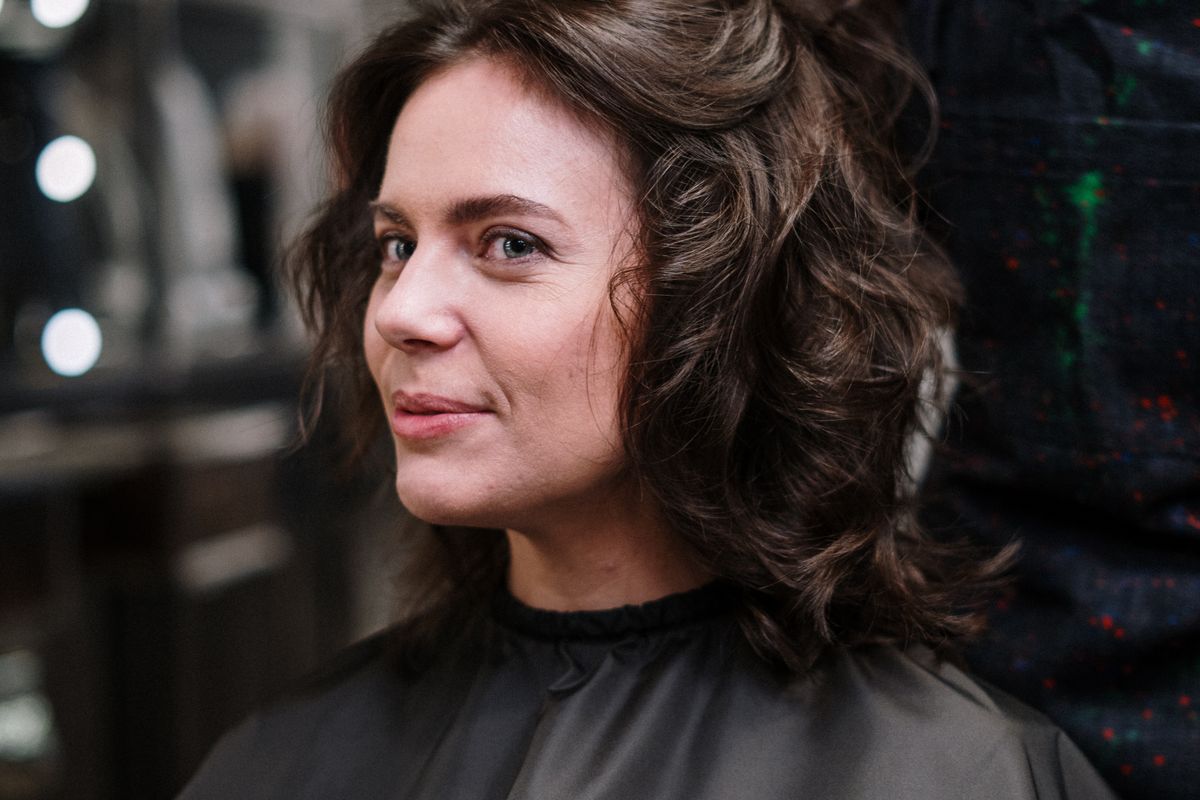
Bring photographs of the look you want, including at least one on hair roughly your color and texture, because a style built for thick blonde hair behaves differently on fine dark hair. Bring the accessories: veil, clips, headband, whatever will live in the hair, since a style built without them may not have anywhere for them to anchor. Wear a top with a neckline close to the event outfit, or at least know the neckline cold. And say the quiet parts out loud: that you hate hair touching your neck, that your curls fall by hour three, that the ceremony is outdoors in Piedmont humidity. Every one of those facts changes the engineering of the style.
The morning itself
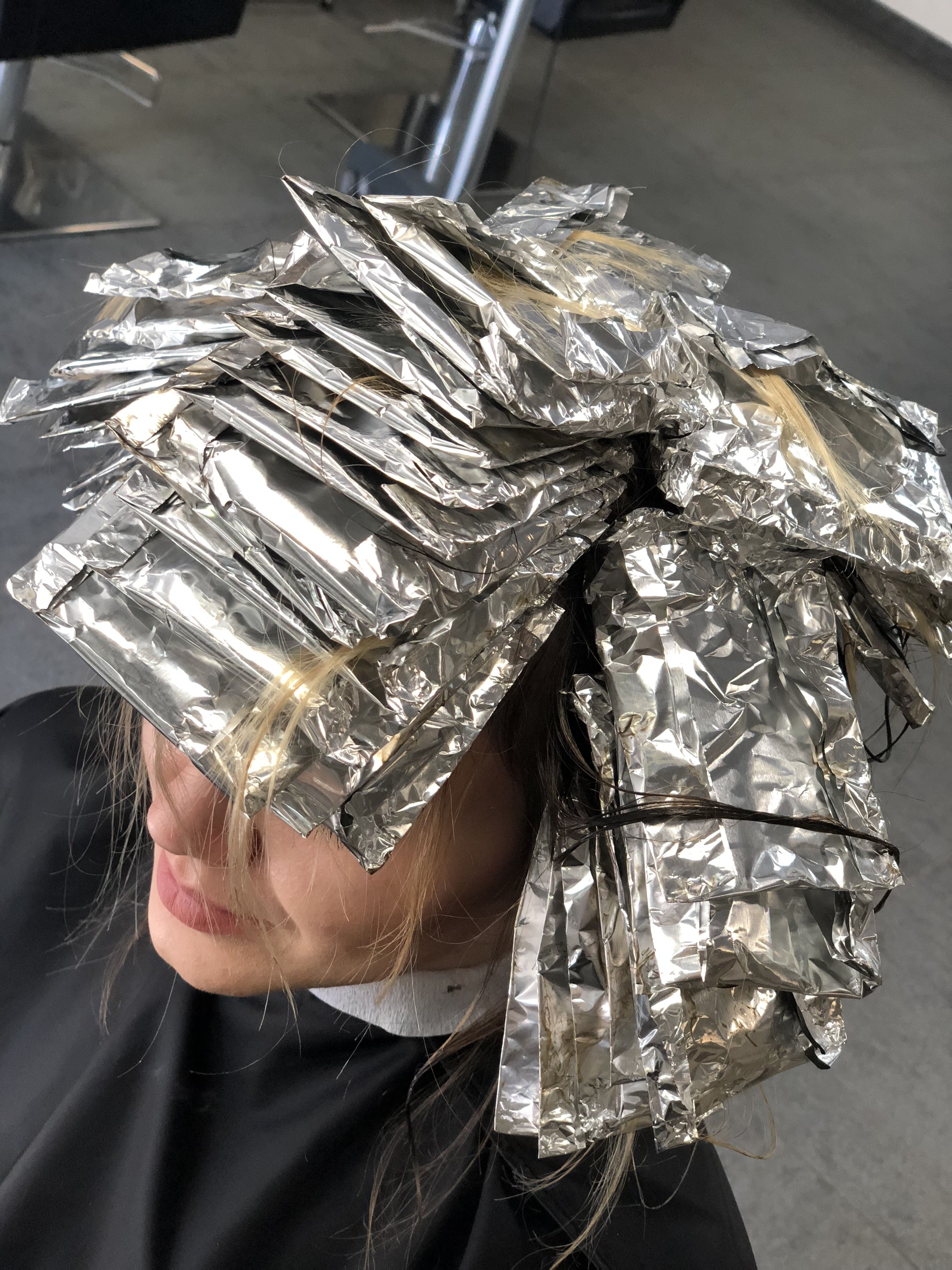
Arrive with hair in the state your stylist specified at the trial, which is often clean and fully dry unless a different plan was made. Wear a button-front or wide-neck top so the finished style survives the change into the real outfit. Eat before your slot, keep the phone charger in the room, and let the schedule, not the mood, decide when each person sits down. At The Ivy Salon, event mornings run best when the plan from the trial is simply executed, one head at a time, with the buffer you built in doing its quiet job.
Common questions
Do I really need a trial for a simple style?
Simple styles fail too: a low bun that will not hold your texture, curls that fall in two hours. The trial is where those facts surface while they are still cheap. For a full updo or a large party, it is close to non-negotiable.
How far ahead should I book event hair?
As early as you can once the date is set, especially for spring prom season and fall wedding season in the Piedmont, when Saturday mornings fill first. The trial then books three to six weeks before the event.
Should the whole wedding party get hair done at one salon?
It helps the schedule enormously when they do, because one team controls the order and the clock. If the party splits between salons, someone has to own the combined timeline, and that job should be assigned, not assumed.
Photos in this guide are representative stock images.
← All guides from The Ivy Salon← Back to The Ivy Salon